Behind the Craft: The Artisan Journey of Jewelry Making

Jewelry making is more than just a craft; it is an art form that combines creativity, skill, and passion. The journey of an artisan jeweler is filled with challenges, triumphs, and a deep connection to the materials they work with. In this post, we will explore the intricate process of jewelry making, from the initial inspiration to the final piece, and delve into the stories of artisans who dedicate their lives to this beautiful craft.
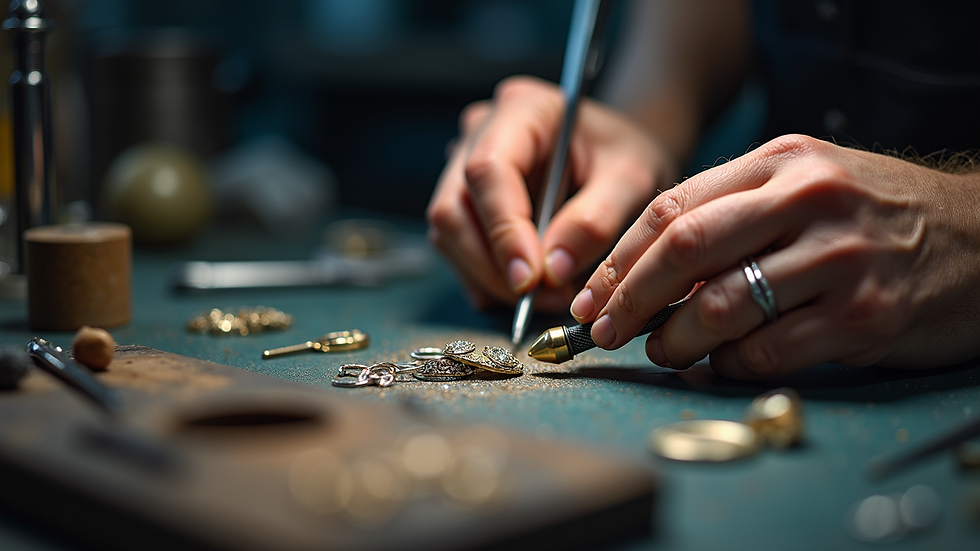
The Inspiration Behind Jewelry Making
Every piece of jewelry begins with inspiration. For many artisans, this spark can come from various sources, such as nature, architecture, or personal experiences.
Nature as a Muse
Nature often serves as a powerful source of inspiration. The colors, shapes, and textures found in the natural world can influence the design of a piece. For instance, a jeweler might create a necklace inspired by the delicate curves of a flower petal or the shimmering hues of a sunset.
Cultural Influences
Cultural heritage also plays a significant role in jewelry design. Many artisans draw upon traditional techniques and motifs from their backgrounds, incorporating them into modern designs. This fusion of old and new not only honors their roots but also creates unique pieces that tell a story.
The Materials of Jewelry Making
The choice of materials is crucial in the jewelry-making process. Artisans often work with a variety of metals, gemstones, and other materials, each with its own properties and characteristics.
Metals
Common metals used in jewelry making include gold, silver, and platinum. Each metal has its own unique qualities:
Gold: Known for its malleability and resistance to tarnish, gold is a popular choice for fine jewelry.
Silver: Often used for its affordability and versatility, silver can be easily shaped and polished.
Platinum: This rare metal is prized for its durability and hypoallergenic properties, making it ideal for engagement rings and other fine pieces.
Gemstones
Gemstones add color and personality to jewelry. Artisans often select stones based on their beauty, symbolism, and rarity. Popular choices include:
Diamonds: Symbolizing strength and eternity, diamonds are often used in engagement rings.
Sapphires: Known for their deep blue hue, sapphires are associated with wisdom and nobility.
Emeralds: With their vibrant green color, emeralds are believed to bring harmony and balance.
The Craftsmanship of Jewelry Making
Once the inspiration and materials are in place, the real work begins. The craftsmanship involved in jewelry making is meticulous and requires a high level of skill.
Design and Prototyping
The first step in the crafting process is to create a design. This often involves sketching ideas and creating prototypes. Many artisans use computer-aided design (CAD) software to visualize their concepts before moving on to physical models.
Fabrication Techniques
Jewelry making involves various fabrication techniques, including:
Casting: This process involves pouring molten metal into a mold to create a specific shape.
Soldering: Artisans use heat to join metal pieces together, ensuring a strong bond.
Stone Setting: This delicate process involves securing gemstones in place, often requiring precision and patience.
Finishing Touches
After the main structure is complete, artisans add finishing touches. This may include polishing the piece to a high shine, adding texture, or applying patinas for a unique look. These final steps are essential in bringing the piece to life and ensuring it meets the artisan's vision.
The Challenges Faced by Artisans
The journey of a jewelry artisan is not without its challenges. From sourcing materials to mastering techniques, the path can be fraught with obstacles.
Sourcing Quality Materials
Finding high-quality materials can be a significant challenge. Artisans must often navigate ethical considerations, ensuring that their materials are sourced responsibly. This may involve working with suppliers who prioritize sustainability and fair trade practices.
Mastering Techniques
Jewelry making requires a diverse skill set, and mastering these techniques can take years of practice. Artisans often invest time in learning from mentors, attending workshops, and experimenting with new methods. This dedication to continuous learning is what sets skilled artisans apart.
The Joy of Creating
Despite the challenges, the joy of creating jewelry is what drives artisans to continue their craft. Each piece they create is a reflection of their passion and dedication.
Connecting with Customers
Artisans often find fulfillment in connecting with customers who appreciate their work. Each piece of jewelry carries a story, and sharing that story with others can create a meaningful bond. Whether it’s a custom engagement ring or a unique necklace, artisans take pride in knowing their creations will be cherished.
Leaving a Legacy
For many artisans, jewelry making is not just a job; it is a legacy. They hope to pass down their skills and knowledge to future generations, ensuring that the art of jewelry making continues to thrive. This commitment to their craft creates a sense of purpose and fulfillment.
The Future of Jewelry Making
As the world evolves, so does the art of jewelry making. New technologies and trends are shaping the industry, offering exciting possibilities for artisans.
Embracing Technology
Many artisans are incorporating technology into their processes. From 3D printing to advanced CAD software, these tools allow for greater precision and creativity. This integration of technology can lead to innovative designs that push the boundaries of traditional jewelry making.
Sustainability and Ethical Practices
The demand for sustainable and ethically sourced materials is growing. Artisans are increasingly prioritizing eco-friendly practices, such as using recycled metals and ethically sourced gemstones. This shift not only benefits the environment but also resonates with conscious consumers.
Conclusion
The journey of an artisan jeweler is a testament to the power of creativity, skill, and passion. From the initial spark of inspiration to the final piece, each step in the process is filled with meaning and purpose. As the industry continues to evolve, artisans remain committed to their craft, ensuring that the art of jewelry making will endure for generations to come.
By supporting artisan jewelers, we not only celebrate their craftsmanship but also contribute to a more sustainable and ethical future in the world of jewelry. Whether you are looking for a unique piece for yourself or a meaningful gift for a loved one, consider the stories and dedication behind each creation.
Comments